

Smart Classrooms: The Role of AI in Personalized Learning
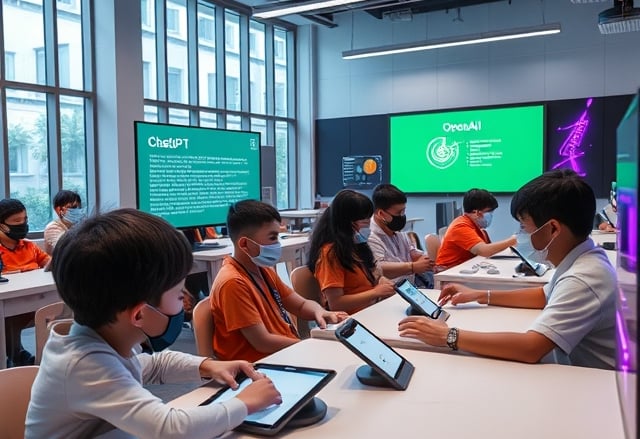
The concept of smart classrooms represents a significant evolution in the educational landscape, integrating advanced technology to create interactive and engaging learning environments. A smart classroom typically incorporates various digital tools and resources, enabling both educators and students to enhance their educational experiences.
Damm Sure Academy
2/5/20258 मिनट पढ़ें
Introduction to Smart Classrooms and AI
The concept of smart classrooms represents a significant evolution in the educational landscape, integrating advanced technology to create interactive and engaging learning environments. A smart classroom typically incorporates various digital tools and resources, enabling both educators and students to enhance their educational experiences. These elements often include smart boards, digital projectors, tablets, and cloud-based collaborative platforms. Central to this transformation is the application of artificial intelligence (AI), which serves as a vital component in personalizing learning and fostering an enriched educational atmosphere.
AI technologies are increasingly utilized in smart classrooms to adapt to the individual needs of students. By analyzing data related to students' learning behaviors, AI can provide teachers with insights that enable tailored instructional methods, ensuring that each student receives the support they require to thrive academically. This level of personalization was previously unattainable in traditional classroom settings, where a one-size-fits-all approach often dominated. With AI, educators can implement adaptive learning systems that modify the pace and style of instruction based on a student’s unique needs and performance metrics.
Moreover, the integration of AI within smart classrooms facilitates a more dynamic interaction among students, teachers, and educational content. For instance, AI-enabled platforms can facilitate real-time feedback, enabling students to understand their progress and areas that require improvement instantly. Such quick assessments encourage self-directed learning and promote a greater sense of ownership regarding their education. Further, smart classrooms serve not only to boost academic performance but also to prepare students for a future increasingly based on technology and critical thinking applied through innovative tools.
Definition and Significance of AI in Education
Artificial intelligence (AI) in education refers to the incorporation of advanced computational technologies to enhance the learning experience. It encompasses a range of applications, from intelligent tutoring systems that provide personalized feedback to automated administrative tasks that streamline educational processes. The significance of AI in educational settings cannot be overstressed, as it serves to optimize teaching methods and facilitate student engagement in increasingly diverse classrooms.
One of the core technologies behind AI in education is machine learning, which enables systems to learn from data and improve over time. Additionally, natural language processing allows students to interact with educational materials through conversational interfaces, further enhancing accessibility. These AI technologies are not only designed to assist teachers in their instructional roles but also empower students to take charge of their learning journeys, ensuring they receive tailored educational experiences based on their unique needs.
The implications of integrating AI into the classroom are profound. For instance, AI can serve as a bridge in overcoming challenges associated with traditional pedagogical methods that may not adequately cater to all students. By leveraging AI-driven solutions, educators can identify individual learning gaps and customize their teaching strategies accordingly. This heightened adaptability means that education can become more inclusive, ensuring that students with diverse learning styles and abilities can engage meaningfully with the curriculum.
Moreover, AI technologies can facilitate real-time assessments, enabling teachers to monitor student progress and adjust their teaching interventions proactively. This is particularly vital in fostering a supportive learning environment that accommodates the varying paces at which students learn. As educational institutions increasingly adopt AI, the potential for making education more accessible and equitable becomes ever clearer, ultimately benefiting students and educators alike.
Overview of Personalized Learning and Its Impact
Personalized learning is an educational approach that tailors teaching methods and learning experiences to accommodate the unique needs, interests, and abilities of each student. By utilizing various instructional strategies, including adaptive learning technologies and differentiated instruction, educators can foster an environment where students can progress at their own pace. This shift from the traditional one-size-fits-all model aims to enhance student engagement and motivation while improving academic outcomes.
Key components of personalized learning include flexibility in learning pathways, competency-based progression, and ongoing formative assessments. Flexibility allows students to choose resources that resonate with them, making the learning experience more relevant and impactful. Competency-based progression focuses on mastery of skills and knowledge, enabling students to move forward only when they have demonstrated a sufficient understanding of the material. Regular formative assessments provide valuable feedback, helping both teachers and students identify strengths and areas for improvement.
The methodologies employed in personalized learning are diverse and may range from technology-enhanced strategies to project-based learning initiatives. For instance, artificial intelligence (AI) plays a significant role in gauging individual student performance and preferences, providing educators with data-driven insights that can guide instructional planning. This adaptability ensures that students receive support that aligns with their specific learning trajectories, fostering a more inclusive and effective educational experience.
The impact of personalized learning on student outcomes is profound. Research indicates that students who engage in personalized learning environments often demonstrate increased motivation, deeper engagement with content, and higher academic achievement. Furthermore, these approaches promote essential skills such as critical thinking and self-regulation, preparing learners for the demands of an ever-evolving world. As educational institutions continue to embrace personalized learning, the role of advanced technologies, particularly AI, becomes increasingly vital in shaping the future of education.
How AI Enhances Personalized Learning
Artificial intelligence (AI) is revolutionizing education by enhancing personalized learning through various innovative technologies. One of the primary ways AI achieves this is through adaptive learning systems. These systems analyze students’ interactions and performance in real-time, allowing them to adjust the difficulty level, types of questions, and learning materials based on individual needs. As a result, learners receive a customized educational experience that addresses their unique strengths and weaknesses, ensuring they advance at their own pace. This level of personalization is not only engaging but also significantly improves knowledge retention and understanding.
In addition to adaptive learning systems, intelligent tutoring systems play a crucial role in delivering personalized feedback. These systems utilize algorithms to monitor a student’s progress and offer immediate, tailored guidance that traditional classroom settings may lack. By identifying areas for improvement, these AI-driven tutors can provide additional resources and suggestions for practice, enhancing the learning journey. The continuous feedback loop fosters a supportive environment where students feel empowered to take ownership of their education, ultimately leading to better academic outcomes.
Automated assessments further contribute to the personalization of learning experiences by streamlining evaluation processes. AI can efficiently grade assignments, quizzes, and tests while providing detailed insights into each student’s performance. This capability allows educators to quickly identify trends and gaps in knowledge across their classrooms, enabling them to address curricular adjustments with greater precision. Moreover, these automated systems can adapt assessments to align with the individual learning paths of students, ensuring that evaluations remain relevant and constructive.
Overall, the integration of AI in education not only enhances personalized learning but also fosters an environment where students can thrive academically. By leveraging adaptive systems, intelligent tutoring, and automated assessments, educators can create a more effective and tailored learning experience for each student.
Benefits of AI in Smart Classrooms
The integration of artificial intelligence (AI) in smart classrooms offers numerous advantages, primarily enhancing the educational experience for both students and educators. One of the most significant benefits is the ability to create customized learning paths tailored to each individual student’s needs and learning pace. AI algorithms analyze a student's strengths, weaknesses, and learning preferences to formulate a personalized curriculum, thereby ensuring that each learner can progress without feeling overwhelmed or bored. This level of personalization facilitates a more supportive and effective learning environment.
Moreover, AI enhances student engagement through interactive learning experiences. Utilizing immersive technologies such as virtual reality (VR) and augmented reality (AR), AI can facilitate a more dynamic classroom atmosphere. These tools allow students to engage with content in innovative ways, catering to different learning styles and keeping students interested in the material. The interactive nature of AI-powered educational tools fosters collaboration and encourages active participation, allowing learners to acquire knowledge more effectively.
AI also plays a crucial role in providing improved support for teachers. With data analysis capabilities, AI tools can gather insights about student performance, engagement levels, and areas that require additional focus. Teachers can leverage this information to better understand their students and adapt their teaching strategies accordingly. Such data-driven insights enable educators to make informed decisions, ensuring they allocate resources and time where it is most needed, thus enhancing the overall educational experience.
These benefits translate to positive learning outcomes for students. By utilizing AI, smart classrooms can create a more engaging, personalized, and effective learning environment, leading to improved retention rates, higher academic performance, and greater student satisfaction. Through these innovations, the future of education seems poised for transformative growth, driven by the powerful capabilities of artificial intelligence.
Challenges and Ethical Concerns
The integration of artificial intelligence (AI) in education, particularly within smart classrooms, presents several challenges and ethical concerns that warrant thoughtful examination. One of the foremost issues relates to privacy and data security. AI systems often require substantial amounts of personal information to offer personalized learning experiences. This data can include students' demographic information, learning habits, and performance metrics. The potential for misuse or breaches of this sensitive information raises significant ethical dilemmas, as the risk of exploitation by malicious actors or even the inadvertent sharing of data by educational institutions necessitates stringent safeguards.
Another critical concern is the potential dependency on technology that AI in personalized learning may engender. While AI can enhance the educational experience, there is a fear that students might become overly reliant on these technologies, undermining their independent thinking and problem-solving skills. In this context, educators must find a balance between utilizing AI tools to support learning and ensuring that students remain engaged and capable of critical thought without external assistance.
Furthermore, accessibility issues present a considerable challenge as AI tools may not serve all learners equally. Diverse learners, including those with special needs and varying socio-economic backgrounds, may encounter barriers in accessing AI-driven educational resources. These disparities can perpetuate existing inequalities in the education system. It is vital for developers and policymakers to ensure that AI solutions are inclusive and cater to the unique requirements of all students, fostering an environment where personalized learning is available to everyone.
In conclusion, fostering a dialogue about the challenges and ethical considerations surrounding AI in education is crucial. Stakeholders must navigate the complexities of privacy, technology dependence, and accessibility to ensure that the benefits of personalized learning do not come at the expense of ethical standards and equitable access for all students.
The Future of AI in Education
The landscape of education is on the cusp of a significant transformation, primarily due to the infusion of artificial intelligence (AI) technologies. As we look ahead, the integration of AI with augmented reality (AR) and virtual reality (VR) promises to revolutionize how educational content is delivered and experienced. By combining these technologies, educators can create immersive learning environments that are responsive to individual student needs. For instance, AI-driven analytics can assess a student's understanding in real time and adjust simulations or scenarios in AR/VR environments to enhance learning outcomes significantly.
Moreover, AI has the potential to support lifelong learning initiatives. With the rapid pace of change in the job market and the continuing need for professionals to update their skills, AI can provide customized learning pathways for individuals at any stage in their careers. By analyzing personal learning patterns, preferences, and professional goals, AI systems can recommend targeted courses and resources, thus fostering an environment where continuous development is not only possible but streamlined. Such personalized education will make it easier for learners to adapt to new technologies and methodologies that emerge over time.
As we further explore the future of AI in education, it is essential to recognize the ongoing evolution of these technologies. As machine learning algorithms become more sophisticated, AI will be capable of offering deeper insights into educational effectiveness and learner engagement. In turn, this will aid educators in refining their teaching strategies and curricular designs, ensuring that they are more aligned with students' needs and preferences. Consequently, as AI continues to advance, its role in education will be pivotal in enhancing not only academic achievement but also preparing students for the complexities of the modern workforce.